Short posts about the Humanist philosophy designed to encourage people to live ethical lives of personal fulfillment that aspire to the greater good of humanity.
I have been thinking about the terms "dignity" and "respect a lot recently. First - let me share - this:
Stimmyabby is correct - respect doesn't mean the same thing to different people. I recently had the pleasure of interviewing Dr. Hicks on the concept of dignity. She challenged my thinking even more.
I am a Humanist - so I think in terms of everyone having dignity and worth - and I need to respect their dignity and worth. When I talk about respecting people as the individuals they are - I am talking about recognizing they have dignity and worth as humans and treating them with dignity.
I am becoming more aware of the problems with using the word respect as a short cut to the concept of dignity. Curious to know what other people think.
Homelessness and Humanism – we aren’t doing enough.
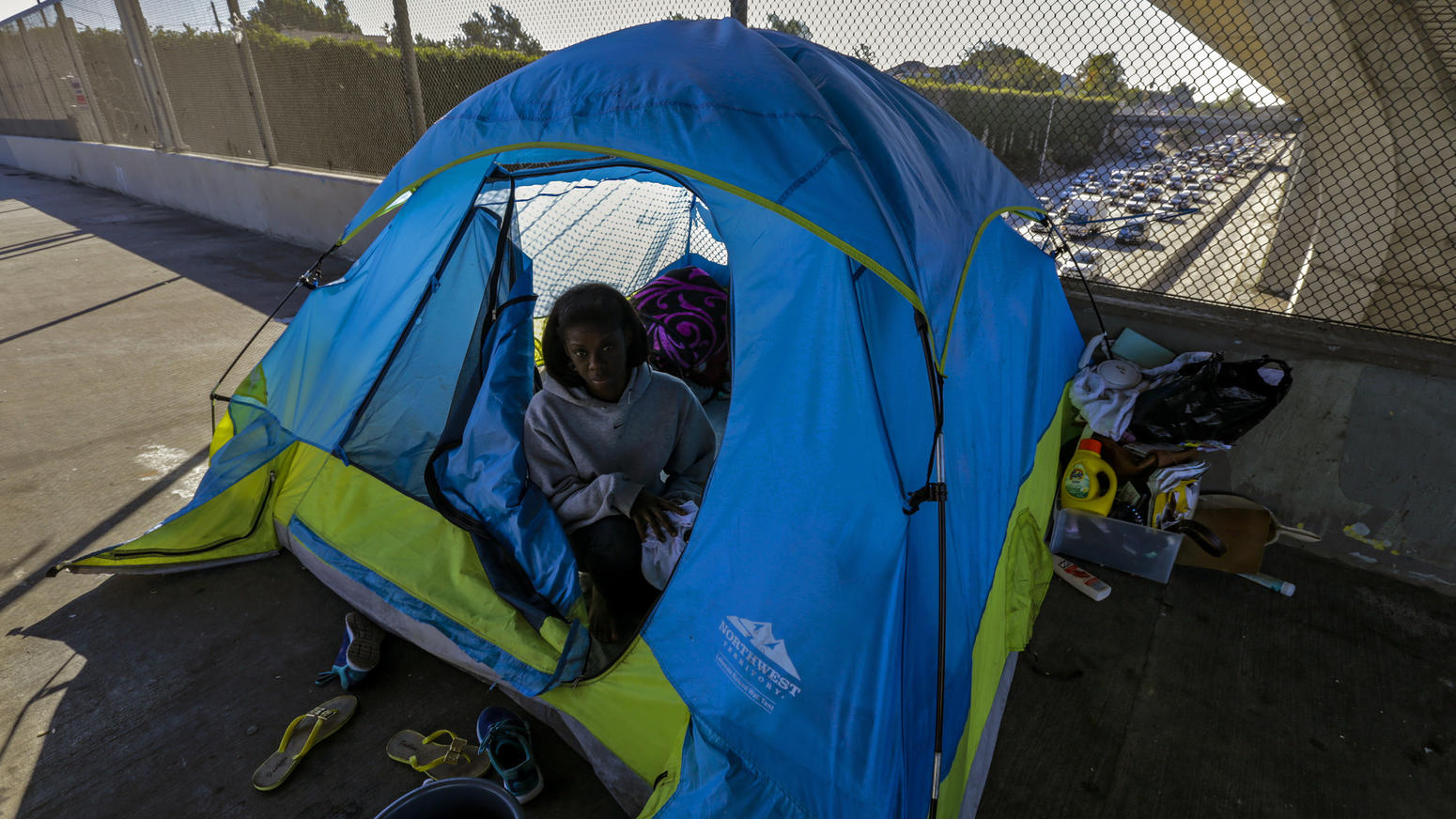
Irfan Khan/LA Times
Last winter I took my son to Los Angeles. It was a family visit combining dealing with my dad’s estate and visiting with family. As we drove into downtown LA my son suddenly asked me. Why are people camping on the overpasses?
I hadn’t really realized it because – homeless people are everywhere in downtown LA. But he was right. There were tents crowding every overpass. We live in an area that is semi-rural. Here our homeless have camps in the woods. You just don’t see them congregated like this on the city streets. So my son hadn’t ever seen a homeless person where they “live.”
In LA, he saw the tents, and to him, tents mean camping. But why would someone camp in the street? It’s a darned good question. I’m ashamed to say, when he pointed it out my first thought was, at least they have tents. That’s a really nice improvement over what it used to be like. But that doesn’t solve the problem. Does it. It just makes homelessness slightly less sucky.
A couple of years ago my son did a summer arts program in Sarasota FL. I spent a lot of time in the downtown library waiting for his program to finish. There are a lot of homeless people that hang out in the library. I can see why. Its air conditioned. There are bathrooms and water fountains and you can sit down. Sarasota actually took out the benches in the park across the street to discourage the homeless from congregating there. Apparently homeless people aren’t allowed to sit. Now, to be fair, Sarasota has done a good job of getting homeless veterans off the streets.
What I was reminded of that summer is that homeless people are first and foremost people. Many of them refuse to beg – they play music for tips instead. That’s how this guy was discovered.
What I learned from hanging out there for a few weeks was that there are a lot of people like him living on the streets in Sarasota. Now imagine how many of the people living in tents in LA have hidden talents that they can’t make the most of because of harsh economic circumstances.
Yes, mental health issues are important. We need to start funding mental health care and care for the homeless. If not out of compassion then for national security/public health reasons.
But mostly – we just need to start caring. There but for fortune go you or I.
So what can we do? Besides being politically active to direct funding and aid to people on the streets? How about volunteering.
The Beyond Belief Network has volunteer teams all across the country. Many of them do projects to help the homeless. Find one near you – and volunteer. Make a difference.
For me, part of being a Humanist means that I accept people
for who they are, not who I want or might need them to be. This is what “the inherent dignity and worth”
of each human means. It is also important to me because embracing reality is
important to me. I know that in order to solve my problems, I first need to
understand them.
Many or most of our problems have an interpersonal dimension to them. In order to solve our problem we need other
people to help us. And in in order to get them to help us, we need to
understand how to motivate them to help. And to do that, we need to understand
what actually motivates them.
And here is where people go wrong. They assume that other people are motivated
by the same things they are. Someone who is motivated by money, tends to
throw money at the problem hoping that
this will motivate other people. Others might be motivated to help the
environment and so trying to give them money to agree with you isn’t going to
work, just as an example.
In order to be successful, you need to take the time to accept people for who
they are and not as who you assume them to be.